What it means to be the last wild river in Europe
Un-dammed from the Pindus to the Adriatic, and what national park status changed.
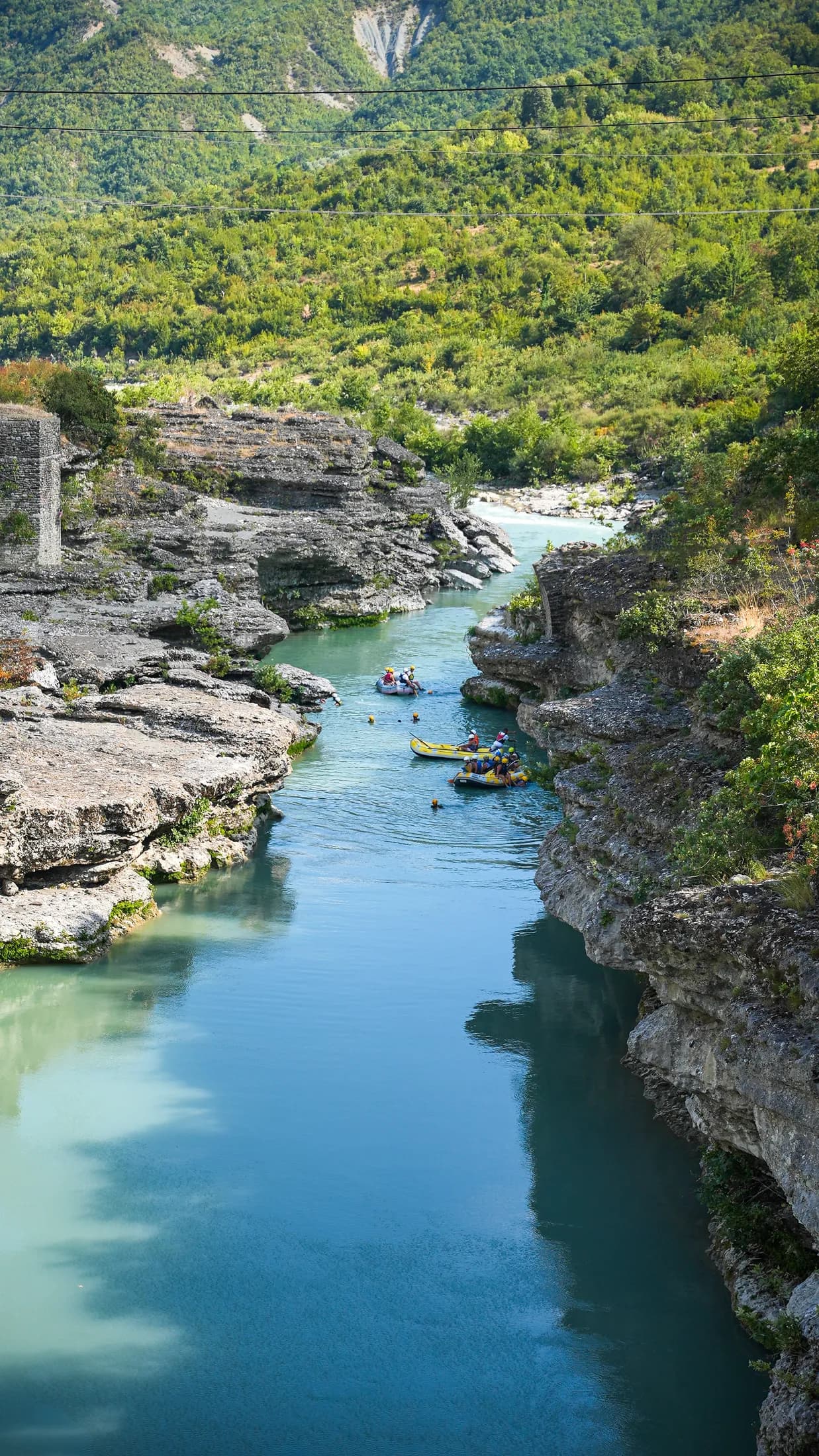
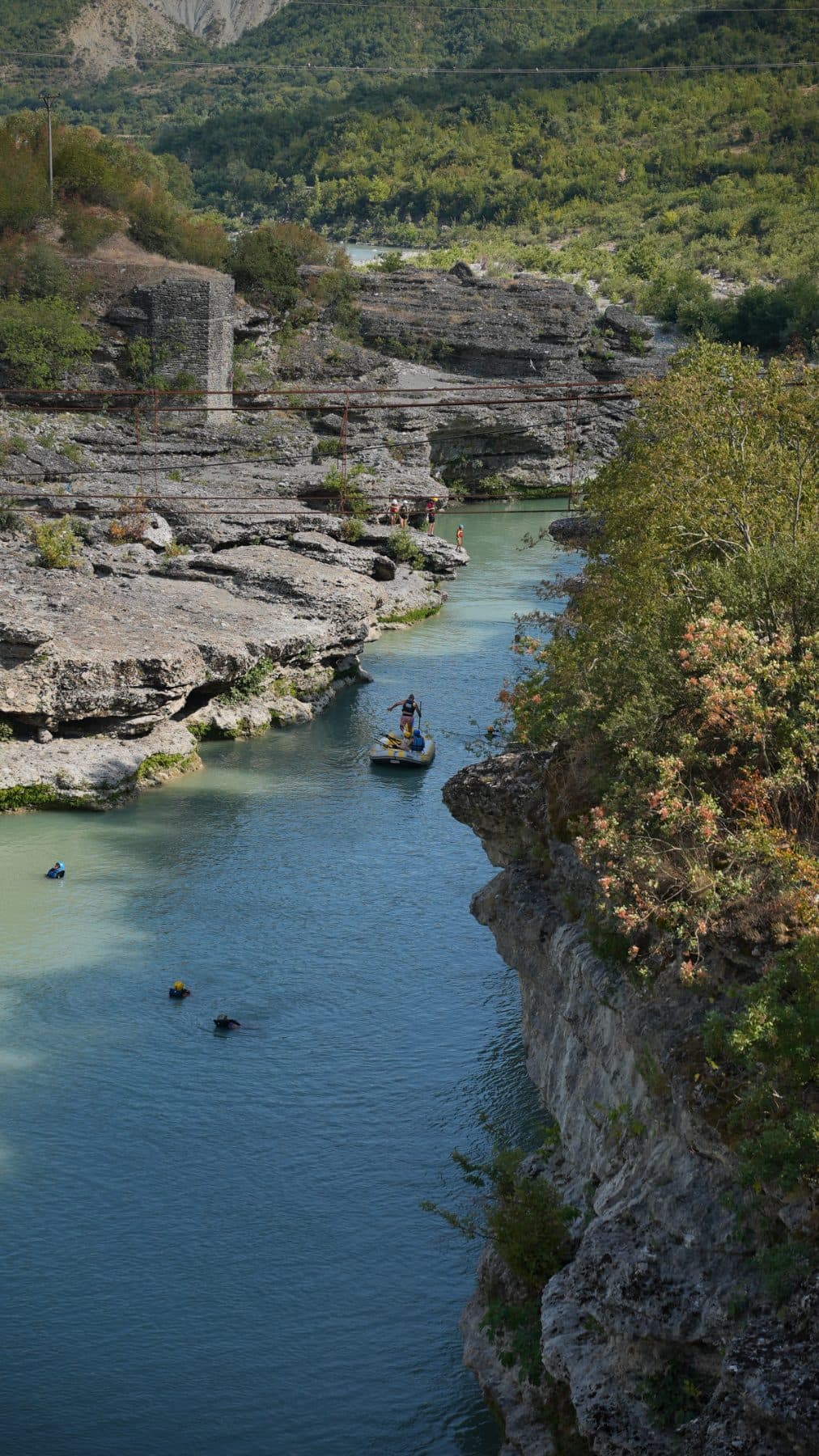
Most rivers in Europe have been interrupted somewhere. A dam, a weir, a channel that straightens a bend, a reservoir that swallows a valley. The Vjosa has none of that. From its source in the Pindus mountains of Greece, where it is called the Aoös, to the Adriatic below Vlorë, it runs for around 272 kilometres exactly as it wants to. That is what "wild" means here, and it is rarer than it sounds.
What a wild river does
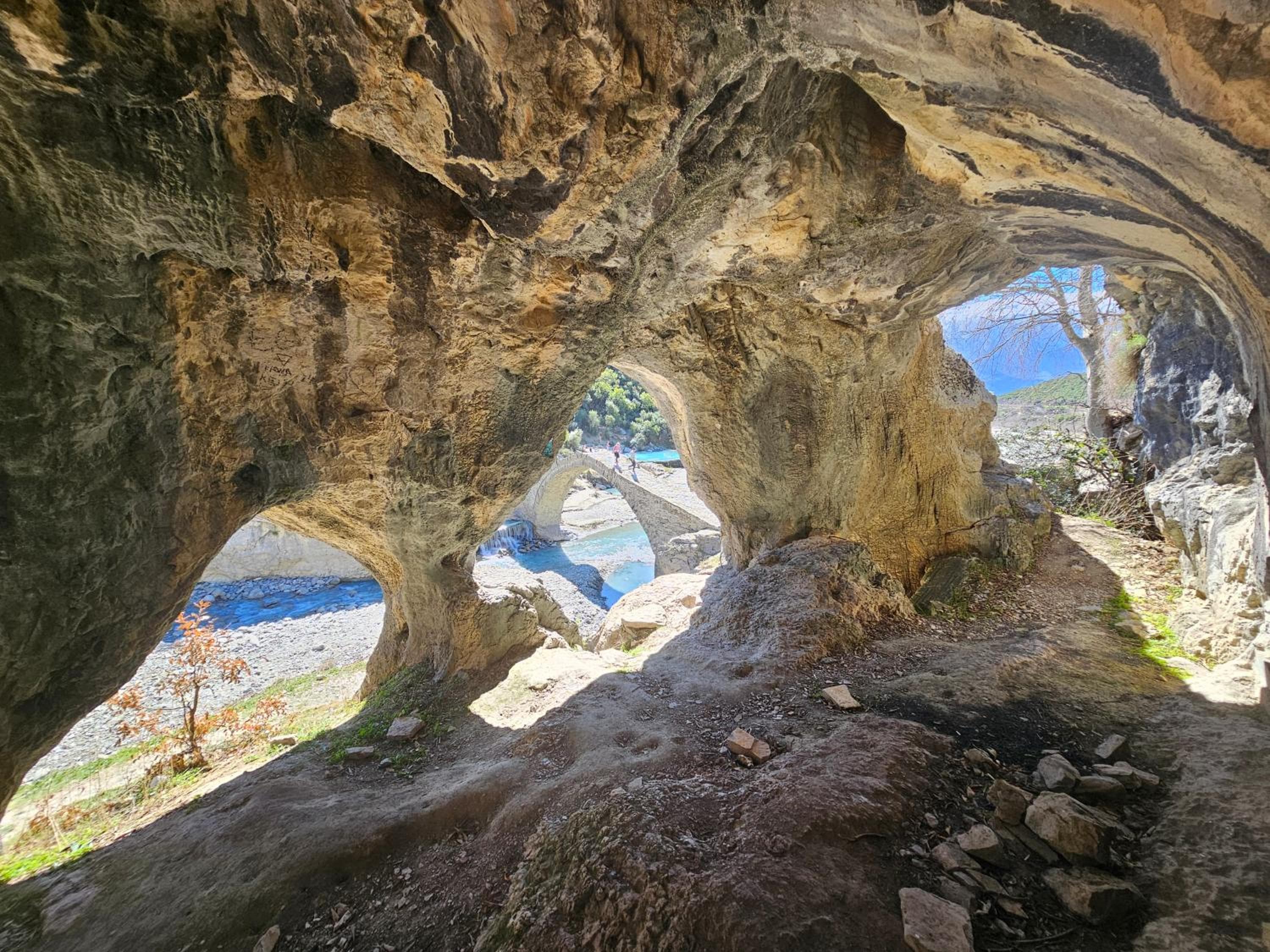
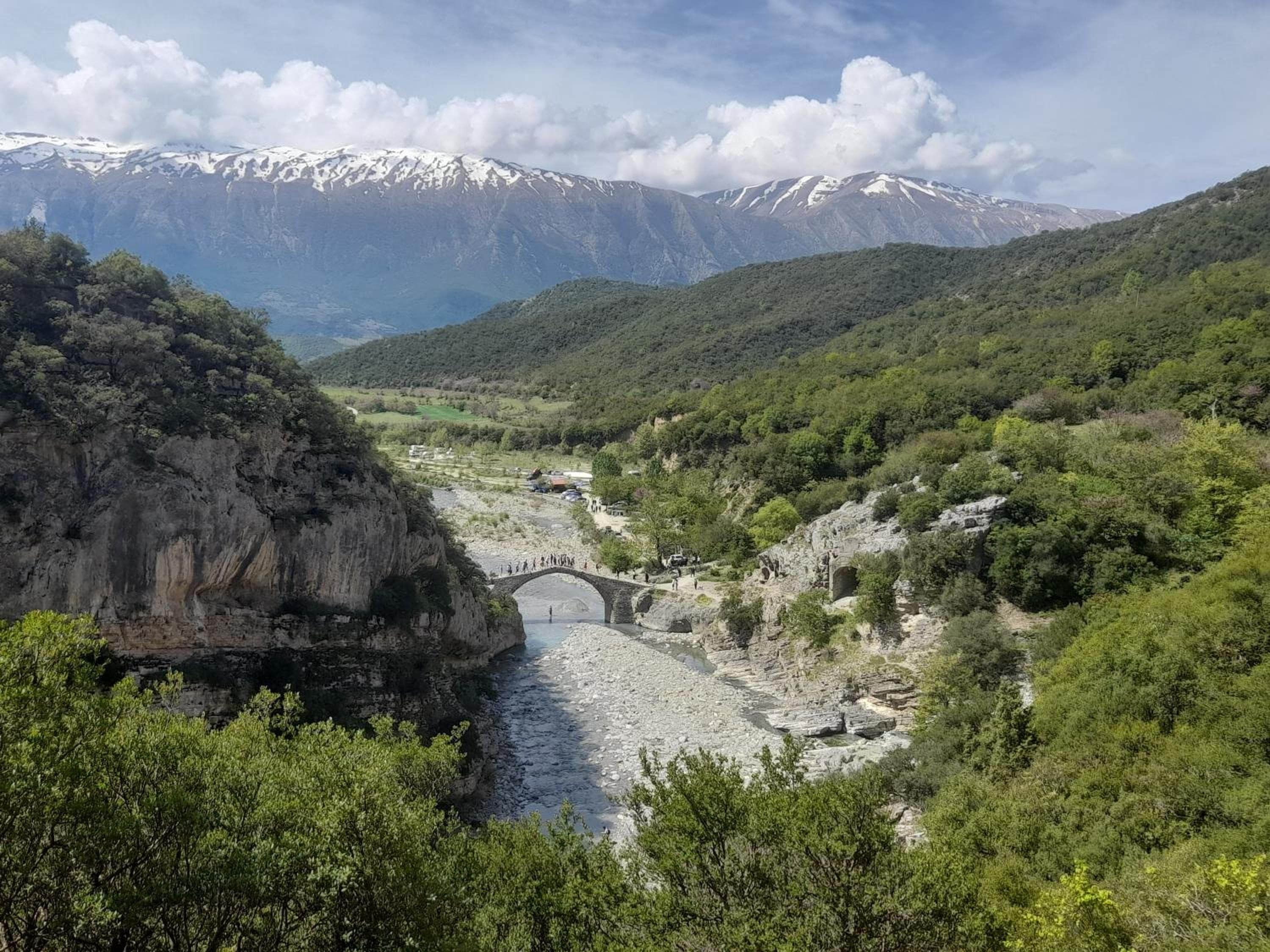
Left alone, a river does not stay in one place. The Vjosa braids: it splits into channels around gravel islands, moves those islands every spring, and carves a new line through its own bed. The gravel bars you picnic on in August were somewhere else the year before. The put-in we use for the rafting is chosen each morning partly for this reason - the river has usually rearranged something over the winter.
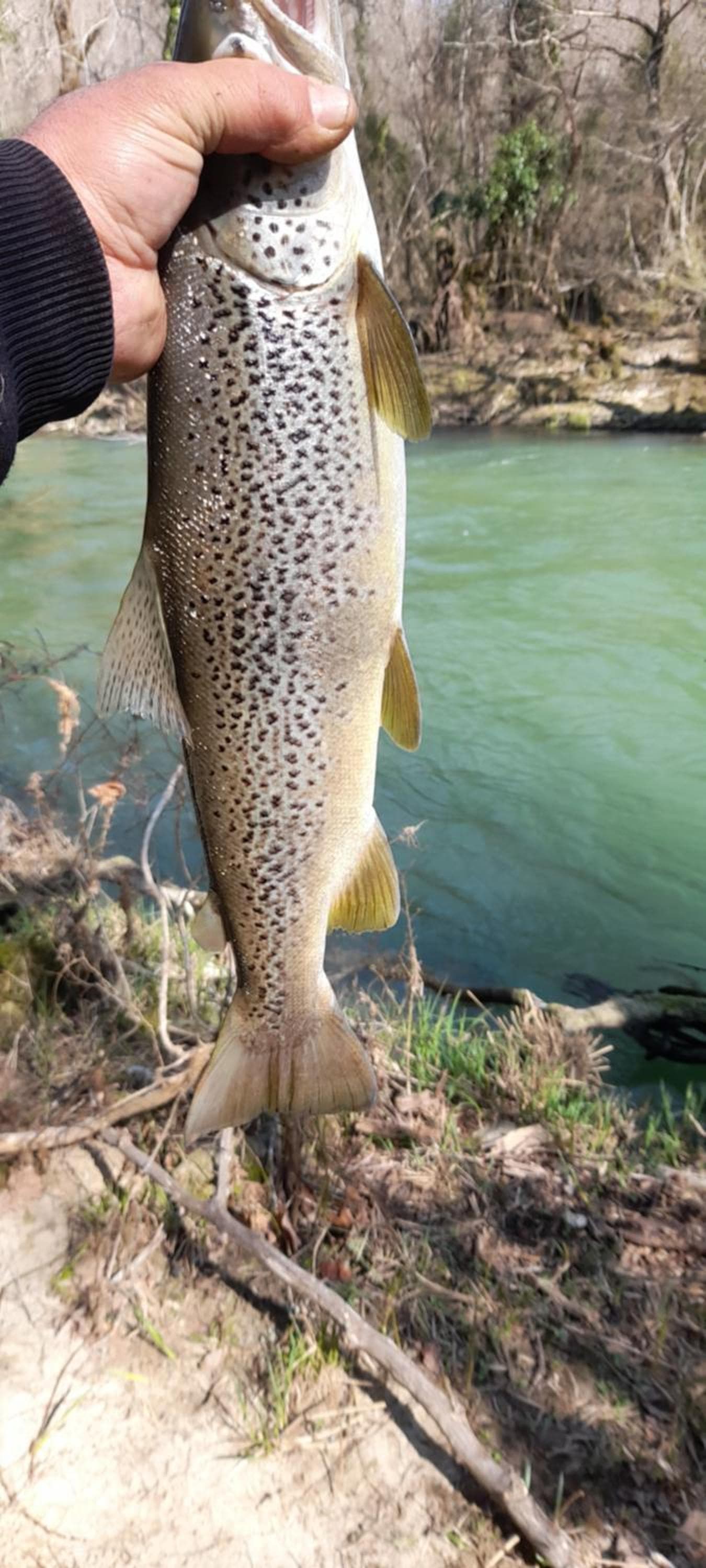
It also stays connected. Fish move up and down it the way they always have, which is why there are still trout in the upper reaches and why the traditional fishing morning is worth doing. Sediment moves with the water rather than piling up behind a wall. The floodplain floods. Everything downstream still receives what comes from upstream, and that is the whole point.
What almost happened
For most of the last twenty years the plan for the Vjosa was hydropower. Dozens of plants were proposed on the river and its tributaries, some of them large enough to drown the valley floor below Përmet. What stopped them was a long argument made by local people, scientists and campaigners that a free-flowing river was worth more than the electricity - as a place to live beside, as a habitat, and as something Europe no longer has anywhere else.
What national park status changed
In March 2023 the Albanian government declared the Vjosa Wild River National Park: the river, its free-flowing tributaries and their banks, some 12,700 hectares in all, protected under the strictest category of national park. It was the first of its kind in Europe.
In practical terms it means the dam plans are off the table, the river corridor is protected from development, and the fishing, the gravel extraction and everything else along it are now managed with the river's health first. It also means that the valley you visit is, officially, a place to be kept as it is.
- Declared: March 2023
- Around 272 km free-flowing, source to sea
- Some 12,700 hectares of river and tributaries
- Europe's first wild river national park
What it means for a day on the water
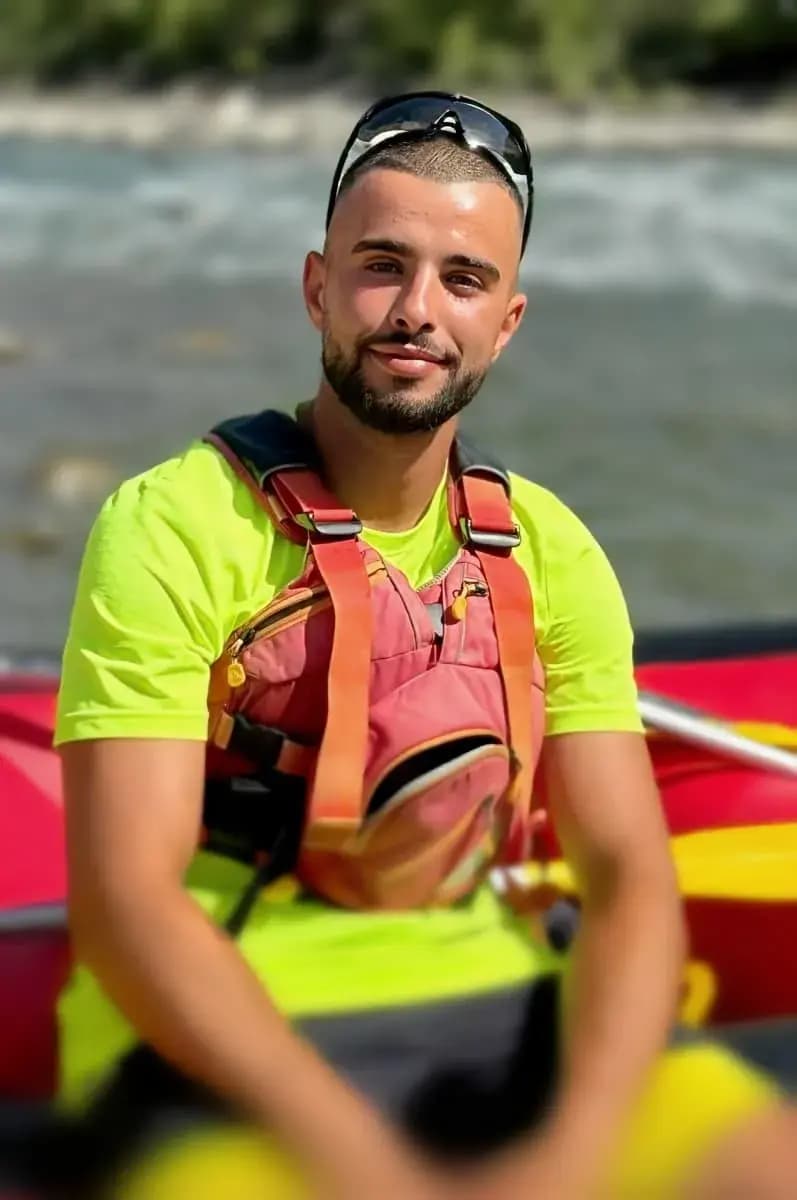
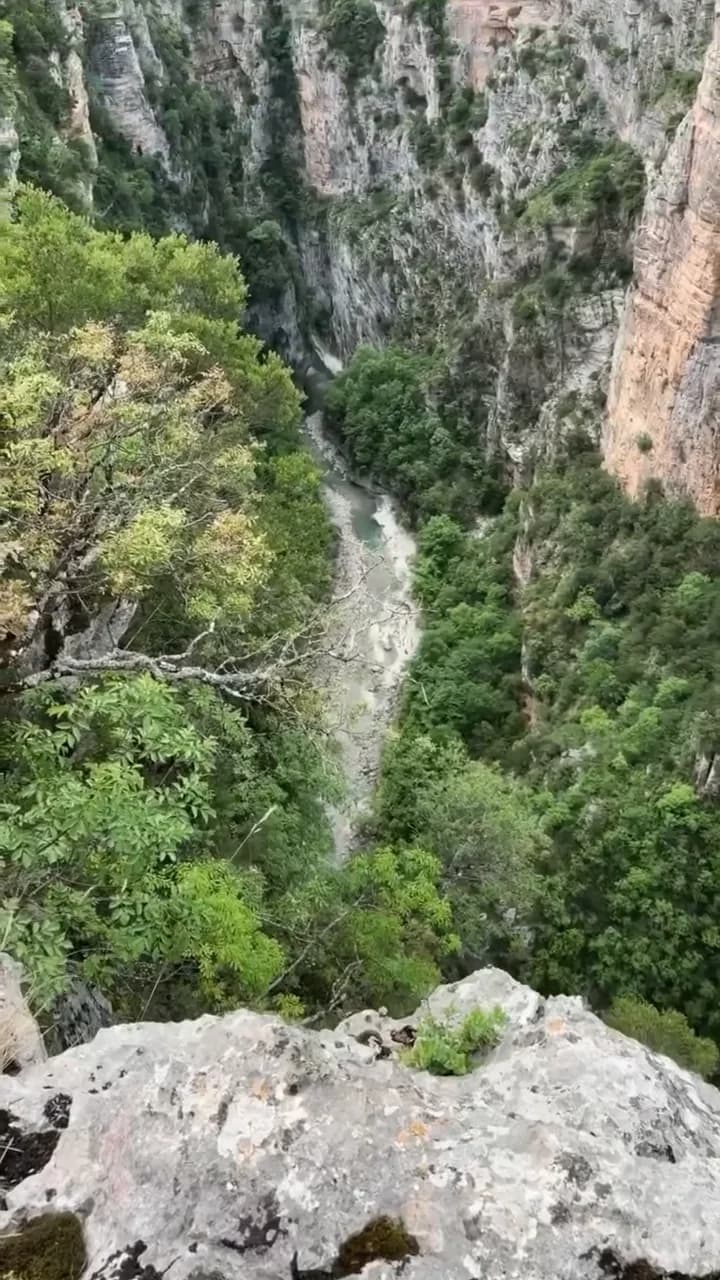
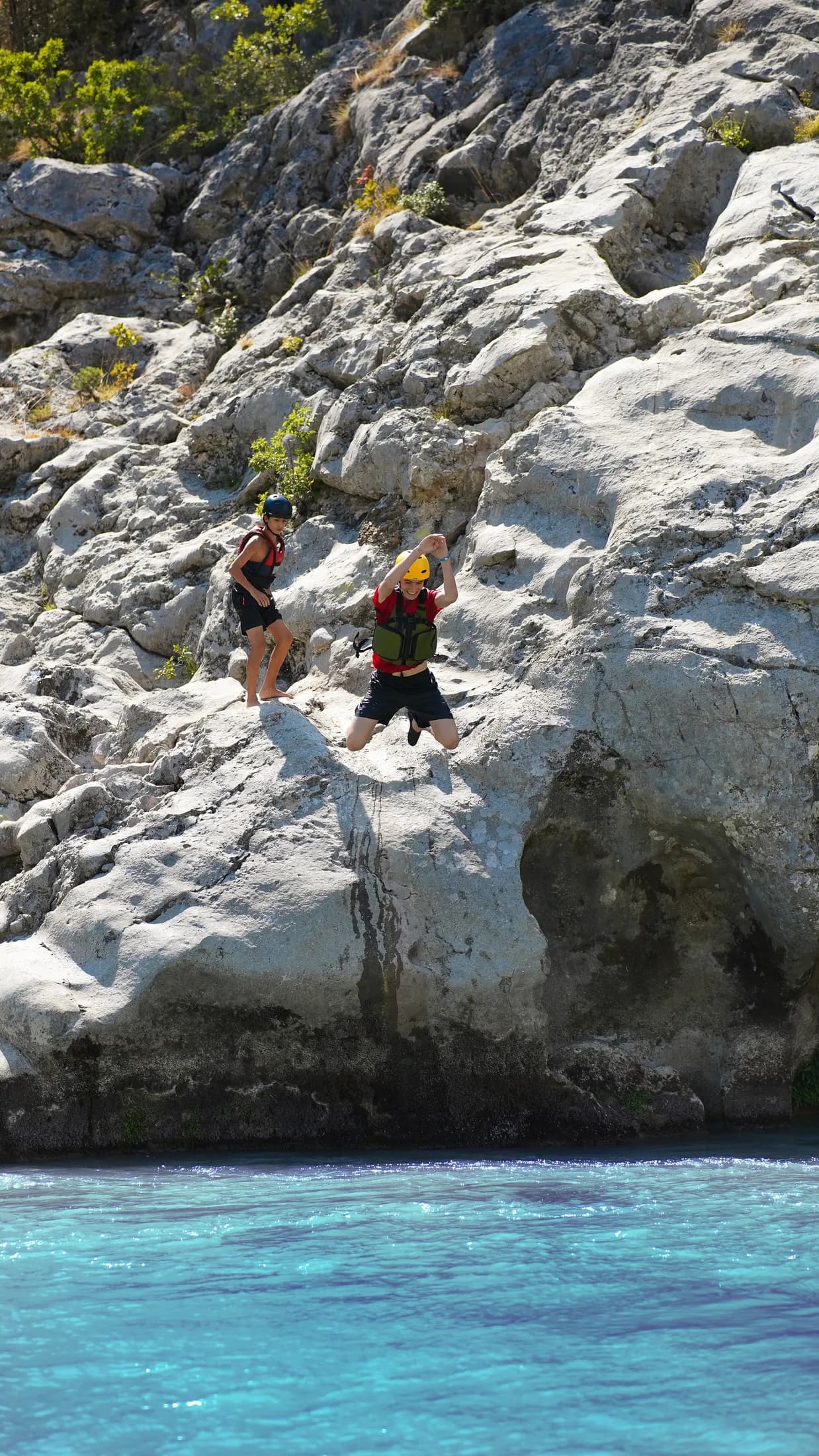
For you, the visitor, it means the water is clean enough to swim in, clear enough to see the bottom of, and cold enough in spring to remind you where it came from. It means the canyon walls rise straight out of the river with nothing built between them. It means the run changes from year to year, and your guide, who grew up on this water, reads it fresh each morning.
We do not own this river. We are the people who know where the good pools are.
It also means a little responsibility on your side. Take nothing but photographs, leave nothing on the gravel bars, and keep to the paths in the canyon. The park is young, and how it is treated in its first years will decide what it looks like in fifty.
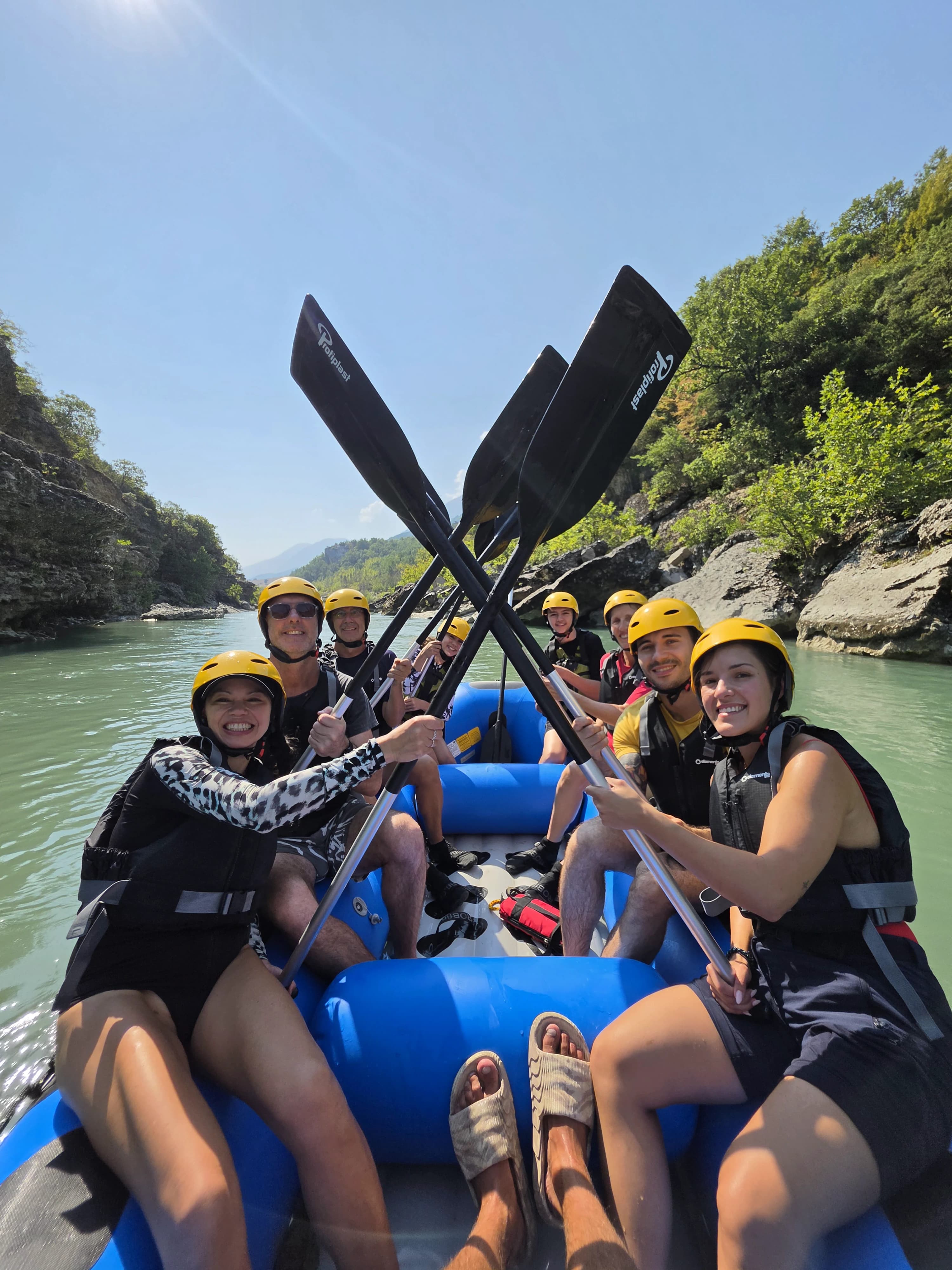
If you want to see it from the water, the rafting and the kayaking are the two ways in. If you would rather stand on the bank and watch it go by, come and stay with us - the house is on the riverbank, and the view from breakfast is the river doing exactly what it likes.